
Hardshell, softshell or insulated? Here's how to choose a ski jacket that matches how and where you ski, covering waterproof ratings, fit and the features that actually matter.
How and Where Do You Ski?
.png)
Piste days mean laps on groomed runs, lift queues, and the occasional trip into the trees if powder shows up. A cold resort or a cold time of year points toward an insulated jacket. A spring trip or a warmer resort calls for a shell with a mid-layer you can add or remove as the temperature shifts through the day.
.png)
Backcountry skiing and ski touring mean hard effort on the way up and full exposure on the way down. A hardshell keeps wind and snow out on exposed ridges, with underarm vents to release heat during the climb. A softshell worn underneath adds a layer of insulation without trapping too much heat.

Freestyle days often mean short chairlifts and long waits at the park, so the ability to add or remove a layer between runs matters. A hardshell alone covers a quiet, dry park session. A softshell in the pack covers a busier day, or one where wet snow starts falling.

Racing narrows things further still, calling for closer, more athletic cuts with minimal extra fabric, since loose material costs speed on a course.

Do You Run Warm or Cold?
Next up is the jacket type: hardshell, softshell or insulated.
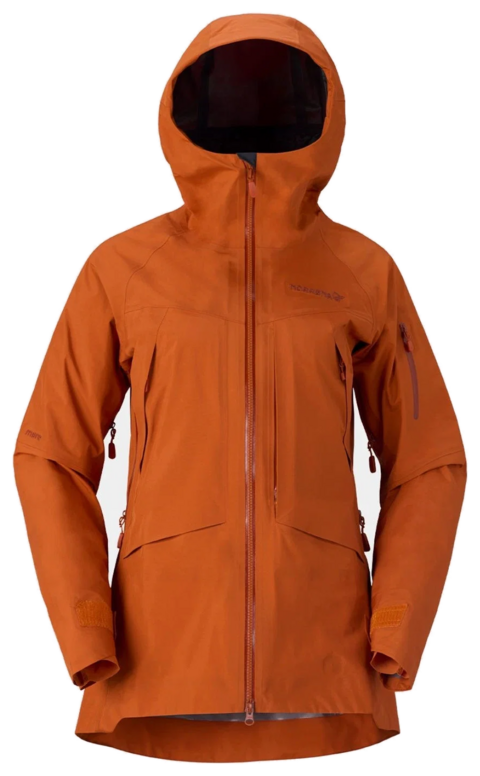
Fully waterproof and windproof, with no insulation built in. It forms the outer layer of a system, worn over a mid layer and base layer that you adjust as the day changes. Hardshells pack down small, which suits ski touring and backcountry days where the jacket comes off on the way up and goes back on for the descent.
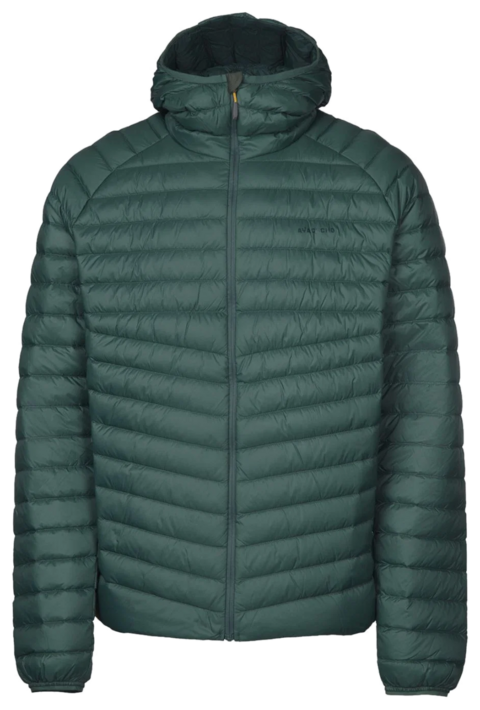
Combines a waterproof outer shell with built-in filling, either down or synthetic. Skiers who feel cold sitting on the lift and rarely overheat tend to prefer this option, since there's nothing extra to add before a ski day. Skiers who move fast or ski hard often find a built-in filling runs too warm once real effort is involved.

What Conditions Will You Actually Meet?
Resort weather rarely matches the forecast for long. Snow in the morning, sun by lunch, a whiteout on the last lift up. All three can happen in a single afternoon, sometimes before 3 pm. That's why waterproofing and insulation are important.
Waterproof rating is measured in millimetres and shows how much water pressure a fabric holds before moisture pushes through.
- 5,000 to 10,000mm: fine for a dry, cold week with light powder. Struggles in wet snow or a rainy valley run.
- 10,000 to 20,000mm: covers a normal week on piste, damp snow and the odd downpour included.
- 20,000mm and above: suited to long days in changeable weather, wet spring snow, or off-piste terrain.
Down or Synthetic Insulation
Down insulation packs small and holds a lot of heat for its weight, and suits cold, dry resorts where temperatures sit well below freezing. Synthetic insulation keeps performing when damp and dries faster, which suits wetter, more changeable resorts.
What Fit Suits Your Skiing?
Slim. Reduces drag and gives closer control over movement, which suits skiers who spend most of the day on piste at speed. Sizing up slightly leaves room for a mid-layer underneath.
Regular. Sits between the close cut of a slim jacket and the extra room of a loose one, giving freedom of movement without excess fabric.
Loose. Gives extra coverage and room to move, which suits freestyle skiing and snowboarding, where big movements and bulkier layering underneath are common.

Which Features Do You Actually Need?
Check whether it adjusts to sit snugly around your head, whether it needs to fit over a helmet, and whether it comes off when not needed.
Stop snow forcing its way up a sleeve during a fall. Some are a simple inner cuff, others extend over the hand with a thumbhole. The thumbhole style traps more heat, though some skiers find it gets in the way while adjusting poles or gloves.
Sits inside the jacket and stops snow riding up underneath during a fall. Some clip to ski trousers, some use a stretch panel instead, and some come out entirely if you'd rather not use one.
Sit at the underarms or chest and unzip to release heat quickly, usually backed with mesh so snow stays out while they're open.
Looking After a Ski Jacket
Standard detergent leaves residue that blocks a waterproof membrane, so a cleaner made for technical fabrics works better. Once water stops beading on the surface and soaks in instead, it's a sign to reapply a waterproofing treatment or DWR spray. Dry the jacket fully before storing it, avoid packing it tightly for long periods, and close the zips before storing it for the summer.
FAQs
10,000mm covers a normal resort week. 15,000 to 20,000mm gives extra margin for off piste days, touring, or wet spring snow.
It covers your lower back when you bend forward into a tuck, sit on a chairlift, or crouch to buckle boots, moments when a jacket cut level all the way round would ride up and let snow in.
Not the machine itself, but standard detergent can. It leaves a residue that clogs the waterproof membrane, which is why technical jackets need a cleaner made for waterproof fabrics rather than whatever's already in the cupboard.
A hardshell is fully waterproof with no insulation built in. A softshell resists light rain and snow through a DWR coating but lets heavier weather through, so it works best as a mid layer or paired with a hardshell.
It's a small, battery free reflector that rescue teams can detect with a handheld unit, helping locate a skier buried in snow. It's a backup to, not a replacement for, dedicated off piste safety equipment such as a transceiver.
Two, generally. A moisture-wicking base layer against the skin, then a mid-layer such as a fleece, adjusted for temperature and effort on the day.
Two, generally. A moisture-wicking base layer against the skin, then a mid-layer such as a fleece, adjusted for temperature and effort on the day.
Related Articles


Let us know you agree to cookies
We use marketing, analytical and functional cookies as well as similar technologies to give you the best experience. Third parties, including social media platforms, often place tracking cookies on our site to show you personalised adverts outside of our website.
We store your cookie preferences for two years and you can edit your preferences via ‘manage cookies’ or through the cookie policy at the bottom of every page. For more information, please see our cookie policy.