
Mid-Layer Buying Guide
Mid layers sit between your base layer and your ski jacket, and they provide most of the heat on a snow day. The right mid layer keeps body heat in on the chairlift and lets sweat escape on the way down. This guide compares fleece, merino, synthetic and down mid layers so skiers and snowboarders can match the layer to the conditions.
How Mid Layers Work on the Slopes
Layering traps air between each layer, and trapped air holds heat far better than one thick jacket. A basic snowsports system has three parts: a base layer, a mid layer and an outer layer. Each part affects the others, so all three need to be right. Read our base layer buying guide and ski jacket buying guide to complete your system.
Fleece Mid Layers
Fleece is the most popular ski mid layer. The fabric is soft and light, and it adds good insulation without bulk. Fleece holds less than 1% of its weight in water, so a fleece mid layer keeps insulating when snow or sweat makes it damp. The fabric is also breathable and machine washable.
Pilling is the main drawback. Fibres clump together with wear, which can make fleece look worn and reduce its insulation. Fleece mid layers suit all-day resort skiing, snowboarding and anyone who wants reliable value. Our fleece buying guide covers weights and fits in more detail.

Insulated Mid Layers
Insulated jackets are the warmest mid layers for very cold days on the slopes. Fill material traps warm air in small pockets, which delivers strong heat without bulk under a ski jacket. Insulated mid layers also offer the best heat for their weight and compress small enough to stow in a ski backpack between runs.
Down Mid Layers
Down mid layers are insulated jackets filled with soft filaments from ducks or geese. Down offers the best heat for its weight and packs down smaller than any other fill. Down loses insulation when wet, so a down mid layer works best on cold, dry days under a waterproof ski jacket.
Synthetic Mid Layers
Synthetic mid layers are insulated jackets filled with polyester strands that trap warm air in small pockets. Synthetic insulation keeps working when damp and dries faster than down, so synthetic mid layers suit wet snow, mist and changeable weather. The jackets compress small, which means a spare layer fits easily in a ski backpack.
Merino Mid Layers
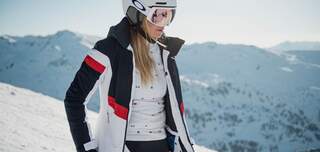
Merino wool works well beyond the base layer. Merino mid layers are made from a natural fibre that moves air well and helps regulate body temperature during active runs. Merino is also naturally anti-microbial, so the fabric resists odour build-up. That makes merino mid layers a smart pick for week-long ski holidays and seasonaires who wear the same layer several days in a row.
Softshell Mid Layers
A softshell mid layer is made from woven polyester or nylon with a soft, fleecy lining. Softshells protect better than fleece but resist wind and water less than a hardshell ski jacket. The woven fabric is tougher and more abrasion-resistant than fleece. Softshell mid layers suit spring skiing, high-effort days and fast laps in changeable weather. Worn under a hardshell, a softshell also keeps any dampness away from your skin.

How to Choose Your Mid Layer
Match the fill and fabric to the day you expect on the mountain:
- Cold, dry days: Down or synthetic insulated mid layers give the most heat for the least weight.
- Wet or changeable weather: Synthetic mid layers keep insulating when damp.
- Spring skiing or high-effort days: Fleece and softshell mid layers breathe well and avoid overheating.
- Multi-day trips: Merino mid layers resist odour between washes.
- Value: Fleece mid layers give reliable heat at a lower price.
Fit matters as much as fabric. A mid layer should sit close to the body without restricting your arms, with enough room left for your ski jacket to move freely. Snowboarders should look for stretch and a longer back hem for bending and twisting. A high collar or half-zip adds neck cover and lets you vent heat on the lift.
Find the right mid layer for your next day on snow in our full range of ski and snowboard mid layers.
Ski Mid Layers FAQs
A mid layer is the insulating layer worn between your base layer and your outer jacket. Mid layers trap body heat and move moisture away from the skin, which keeps you warm and dry through a full day of skiing or snowboarding.
Fleece, merino, synthetic, down and softshell mid layers all work on the slopes. Fleece suits most resort days, synthetic suits wet weather, down suits cold dry days, merino suits long trips and softshell suits active, mild days.
A mid layer should fit snugly without feeling tight. Choose a size that allows full arm movement and leaves room inside your ski jacket, so the shell does not compress the insulation and cut its heat.
Choose fleece for active days, milder temperatures and good value. Choose an insulated mid layer, either synthetic or down, for very cold days, long chairlift rides and standing around in low temperatures.
Merino mid layers work well for skiing and snowboarding. The wool breathes, regulates temperature and resists odour, so merino mid layers suit multi-day trips and frequent use.
Choose a synthetic mid layer for wet or variable weather, because synthetic fill keeps insulating when damp. Choose a down mid layer for cold, dry days, because down gives more heat for less weight.
Related Articles


Let us know you agree to cookies
We use marketing, analytical and functional cookies as well as similar technologies to give you the best experience. Third parties, including social media platforms, often place tracking cookies on our site to show you personalised adverts outside of our website.
We store your cookie preferences for two years and you can edit your preferences via ‘manage cookies’ or through the cookie policy at the bottom of every page. For more information, please see our cookie policy.