
New In


READ: SKI AND SNOWBOARD BOOT FITTING / SKI AND BOARD SERVICING
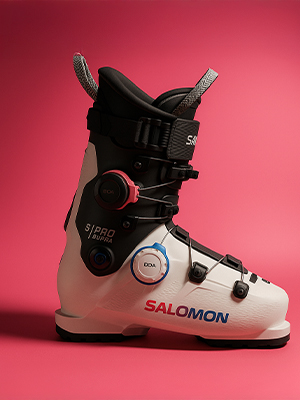
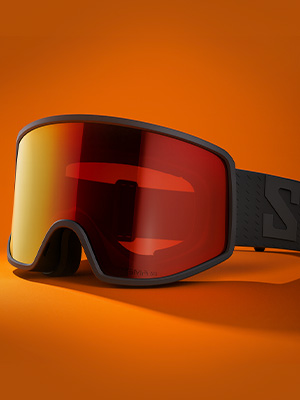
We live and breathe skiing, so we know how important it is to be prepped for every adventure. That’s why we offer one of the widest selections of ski gear and clothing around. From men’s, women’s, and kids’ skis, poles, ski boots to cutting-edge ski clothing, GPS and essential safety equipment like helmets and goggles, we’ve got everything to help keep your feet—and route—on track.
Ready to conquer the mountains? Our skiwear and equipment are built for skiers who want to push limits while staying warm, dry, and comfortable. Whether you’re carving groomers or heading off-piste, we’ve got lightweight jackets, skis, and grippy boots designed to keep up with you. Don’t forget essentials like avalanche safety gear, climbing skins, and durable backpacks for those big mountain adventures.
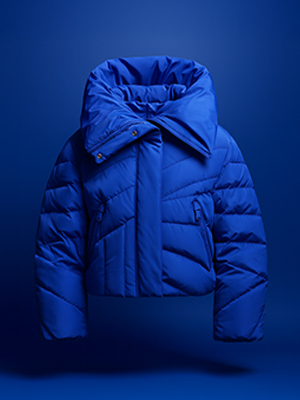
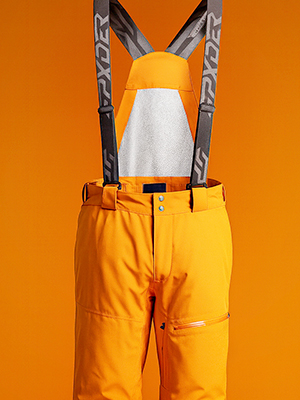
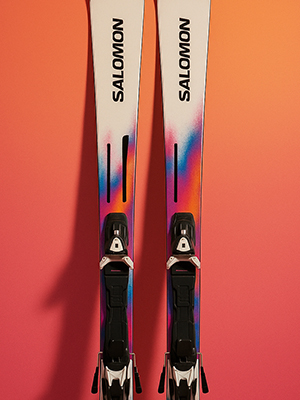
Looking for new skis? With varying constructions, camber profiles, lengths, widths, and flex patterns from brands like Atomic, Rossignol, and Salomon, we’ll help you find the perfect pair - whether you’re a beginner or a seasoned pro. And while you're at it, check out our stylish yet functional ski jackets and salopettes for ultimate freedom of movement.
This season isn’t just about skiing - it’s about owning the slopes. Shop online or visit your nearest Snow+Rock store to gear up for your best days on snow. See you at the top!
Most ski jackets use waterproof membranes such as Gore-Tex, Dermizax, or Dryplay bonded to fabrics that block moisture while allowing heat and vapour to escape. Waterproofing is measured by millimetres (e.g. 10,000–30,000 mm), and higher numbers mean greater water resistance.
Waterproof clothing uses fully sealed seams and membranes to keep moisture out completely, while water-resistant garments have surface coatings like DWR (durable water repellent) that protect against light snow but can soak through in sustained wet conditions.
Synthetic insulation like Primaloft or Thermolite is lightweight, quick-drying, and water-repellent, making it ideal for variable conditions. Natural insulation, such as down, offers superior warmth-to-weight but loses insulation efficiency when wet.
Breathability ratings measure how much moisture vapour passes through fabric. A rating of 10,000–15,000 g/m² is suited to moderate skiing, while 20,000 g/m²+ works best for high-output activities like ski touring.
Seam sealing protects the weakest points of a garment where water can enter through stitching. Critically taped seams cover only key areas, while fully taped or welded seams ensure complete waterproof protection across the entire garment.
Ski pants often use multi-layer fabrics with waterproof membranes and DWR coatings. Stretch fabrics like Pontetorto Tecnostretch improve mobility, while reinforced panels at knees and cuffs add durability against abrasion and ski edge cuts.
Wood cores, commonly made from ash, poplar, or maple, offer a lively, responsive feel and excellent durability. They provide natural damping and energy rebound, whereas foam or plastic cores tend to be lighter but less stable and durable.
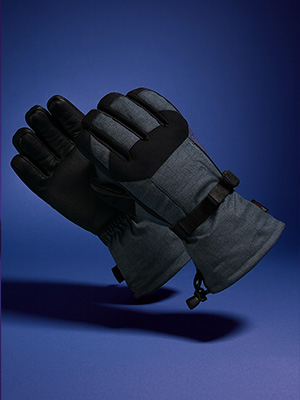
Ski gloves are typically made with waterproof-breathable shells, synthetic insulation such as Primaloft, and soft linings like fleece. Ski socks use merino wool or synthetic blends for warmth, moisture management, and reinforcement in high-friction zones.
Most ski poles are made from aluminium (strong and affordable), carbon fibre (ultralight and stiff), or fibreglass composites (excellent strength-to-weight ratio). Each material affects durability, swing weight, and vibration damping on the slopes.
We use marketing, analytical and functional cookies as well as similar technologies to give you the best experience. Third parties, including social media platforms, often place tracking cookies on our site to show you personalised adverts outside of our website.
We store your cookie preferences for two years and you can edit your preferences via ‘manage cookies’ or through the cookie policy at the bottom of every page. For more information, please see our cookie policy.


